The Dawn of Unparalleled Realism: Next-Gen VR Flight Cockpits Take Flight
For aviation enthusiasts and aspiring pilots, the dream of soaring through virtual skies with ultimate realism has long been pursued. Today, that dream is no longer a distant fantasy but a tangible reality, thanks to the revolutionary advancements in vr flight simulator cockpit technology. We're talking about a new breed of simulators that combine industrial-grade strength, breathtaking visual fidelity, and cutting-edge motion to create an experience indistinguishable from actual flight. Forget flimsy setups and pixelated views; the next generation is here, characterized by robust steel frames and astounding 35 PPD (Pixels Per Degree) visual clarity.
The journey to true flight simulation immersion requires a harmonious blend of physical and virtual elements. A high-fidelity VR headset alone isn't enough, nor is a motion platform without crystal-clear visuals. The synergy between a rock-solid physical foundation—an industrial steel frame that anchors your controls and moves your entire world—and the pinpoint precision of high-resolution VR optics is what truly elevates the experience. This article delves into how these core components are redefining what's possible in virtual aviation, transforming a hobby into a professional-grade training tool and an unbeatable entertainment platform.
The Unyielding Core: Why Industrial Steel Frames Matter for Your VR Flight Simulator Cockpit
At the heart of any serious vr flight simulator cockpit lies its physical structure. While many consumer-grade setups rely on lighter materials, the next generation demands an unyielding foundation. This is where industrial steel frames step in, providing an unmatched level of rigidity, durability, and stability that is crucial for a truly immersive and long-lasting simulation experience.
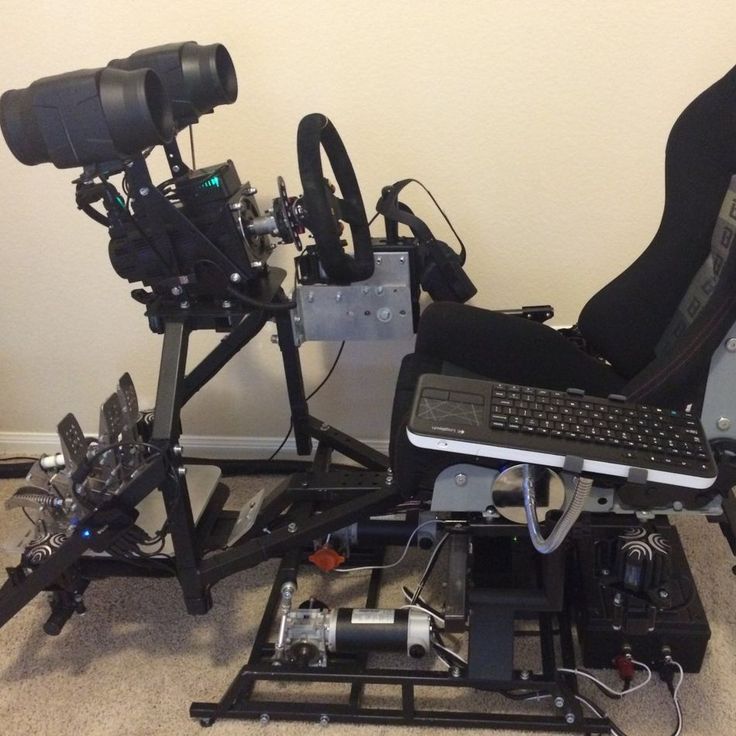
Think about the forces at play in a high-intensity flight simulation. Powerful direct-drive (DD) steering wheels can generate over 30 Newton-meters (NM) of torque, while hydraulic pedals can withstand over 200 kilograms of pressure. A lesser frame would flex, creak, or even fail under such stresses, leading to a compromised experience and potential safety issues. Industrial steel chassis, however, are engineered to handle these extreme demands effortlessly. This robust construction ensures that your expensive peripherals remain securely mounted and perform optimally, delivering consistent feedback without any unwanted movement or instability from the cockpit itself.
Beyond raw strength, the design of these steel frames often focuses on a compact footprint without sacrificing performance. This means you can house an entire array of peripherals, from sophisticated HOTAS (Hands-On Throttle And Stick) setups to realistic General Aviation (GA) cockpit layouts, all moving in unison. High-end motion simulator platforms, such as the acclaimed HERO models, take this a step further by moving the *entire rig*—including your flight stick, throttle, rudder pedals, and seat—along with you. This complete motion integration is supported solely by the inherent strength and rigidity of an industrial steel frame, providing an unparalleled level of detailed immersion that no other design can match. The feeling of every bump, G-force, and maneuver translating directly through your controls is a game-changer for realism, enhancing muscle memory and spatial awareness.
Furthermore, these professional-grade platforms are built for longevity. Whether you're a dedicated home simmer, a racing driver in training, or operating a public entertainment or VR arcade center, the investment in an industrial steel frame pays dividends in reliability and reduced maintenance over thousands of hours of intense use. Features like quick-release systems and adjustable pedal distances and angles further underscore the commitment to user experience and adaptability, ensuring the cockpit can be tailored to individual preferences or multiple users.
Beyond Pixels: Experiencing 35 PPD Visuals in a VR Flight Simulator Cockpit
While a sturdy frame provides the physical anchor, the visual experience is where VR truly shines. The advent of high-fidelity VR headsets, offering an astounding 35 PPD, marks a quantum leap in immersion for the vr flight simulator cockpit. PPD, or Pixels Per Degree, is a critical metric that measures how many pixels are packed into each degree of your field of view. A higher PPD means a sharper, more detailed image, much like the resolution of a traditional screen. To put 35 PPD into perspective, many commercially available consumer VR headsets max out closer to 20 PPD.
The difference this makes for a flight simulator is profound. With 35 PPD, you gain a level of clarity that transforms the virtual world into a true-to-life representation. Imagine seeing every tiny detail on your instrument panel with perfect crispness, reading small text on navigation charts, or spotting distant landmarks and other aircraft with unprecedented fidelity. This isn't just about making things look prettier; it's about crucial situational awareness and reducing eye strain during long virtual flights. The ability to discern fine details, both near and far, mimics the way the human eye perceives the real world.
This remarkable visual fidelity is achieved through cutting-edge optical designs, such as variable-resolution aspheric lenses. Unlike the often murky and distorted view produced by consumer-grade Fresnel lenses, aspheric lenses offer incredible clarity and push pixels tighter together directly in front of your eyes. This design creates an ultra-sharp peak resolution precisely where your gaze is focused, replicating the natural function of human vision. The result is a seamless, crystal-clear ‘in-cockpit’ perspective that makes you forget you're wearing a headset at all. This "presence" is the holy grail of VR, and 35 PPD is a key component in achieving it, allowing pilots to immerse themselves for hours comfortably, even with advanced ergonomics and built-in active cooling systems.
For more insights into achieving this peak visual clarity, be sure to read our related article: Ultimate VR Flight Sim Immersion: Motion Platforms & High-Res VR.
The Symphony of Motion: Bringing Your VR Flight Simulator Cockpit to Life
The ultimate vr flight simulator cockpit experience isn't complete without realistic motion. Modern motion simulator platforms integrate seamlessly with high-fidelity VR, adding another dimension of immersion that is simply breathtaking. These platforms can replicate multiple axes of movement, including pitch, roll, and yaw, along with advanced features like traction loss for ground effects.
The most sophisticated platforms can even master all six axes of motion, providing a complete simulation experience that physically mirrors the movements you see and feel in VR. When your body is subjected to the same forces as your virtual aircraft – the tilt of a bank, the push of acceleration, the shudder of turbulence – your brain is tricked into believing it’s truly airborne. This haptic feedback, combined with the visual realism of 35 PPD, creates an incredibly convincing illusion of flight.
These motion platforms are designed to be universally compatible with a wide range of VR headsets (Oculus Rift/Gear, HTC Vive, Varjo Aero, and future products) and peripherals. This flexibility ensures that users can build their ideal setup, knowing that the core motion system will integrate smoothly. Whether for home use or professional flight training, the ability to experience dynamic motion synchronized with ultra-clear VR visuals offers an invaluable edge, enhancing pilot skills and creating truly unforgettable experiences.
Optimizing Your VR Flight Simulator Cockpit Setup
Building the ultimate vr flight simulator cockpit requires careful consideration of several factors to maximize both immersion and value:
- Budget & Space: Industrial steel frames and high-PPD VR headsets represent a significant investment. Plan your budget accordingly and ensure you have adequate space for a motion platform, especially a full-rig moving one.
- Intended Use: Are you a casual simmer, an aspiring real-world pilot, or looking to entertain? Your use case will dictate the level of professional-grade equipment you need. For professional training or arcade environments, strength and durability are paramount.
- Component Compatibility: Ensure your chosen motion platform is compatible with your preferred VR headset and flight peripherals (HOTAS, rudder pedals, collective, etc.). Most high-end platforms offer broad compatibility.
- PC Power: Driving 35 PPD VR visuals, especially within complex flight simulators, demands a high-end gaming PC with a powerful CPU and a top-tier graphics card. Don't bottleneck your experience with an underpowered computer.
- Calibration & Settings: Take the time to properly calibrate your VR headset, motion platform, and flight controls. Fine-tuning sensitivity, motion profiles, and VR settings can significantly enhance the experience.
- Comfort: For multi-hour flights, ergonomics are key. Choose VR headsets with advanced comfort features like active cooling and lightweight designs. Consider an ergonomic seat for your cockpit. For more on maximizing comfort, explore: Elevate Your VR Flight Sim: Comfort, Full Motion, & Crystal Clarity.
Conclusion
The evolution of the vr flight simulator cockpit has reached an exhilarating new zenith. The combination of industrial steel frames, providing unparalleled stability and supporting full-rig motion, with the breathtaking clarity of 35 PPD VR visuals, ushers in an era of simulation that blurs the lines between virtual and reality. This isn't just about playing a game; it's about experiencing flight in its truest digital form, offering benefits ranging from unparalleled entertainment to serious pilot training. As these technologies continue to advance, the sky is no longer the limit for what's possible in virtual aviation.